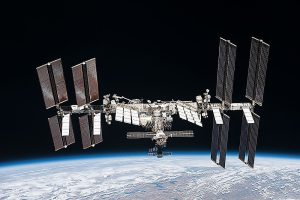
The International Space Station
I am a product of the “baby boomer” generation, who grew up with the incredible Apollo space program broadcast into my home on a fuzzy, black and white TV.
I was spoilt by the seemingly mundane work of NASA as they launched ever more daring missions, the highlight being the moonwalk.
I grew to expect progressively further and deeper space exploration because I was too young to appreciate that NASA were pushing the boundaries of the technology they had at the time to it’s limits in order to prove to the world they had the most advanced technology and the best astronauts and engineers.
By the time the Apollo programme was retired, I had become complacent about the capabilities of the human race to explore the universe.
With hindsight, I have often wished I had pursued further education in the sciences, but I accepted that women, especially those in secondary education could never attain the knowledge required to work in engineering, astrophysics or any of the technologies blooming in the world of space exploration.
That acceptance is one concept I pushed my children to challenge. We have the potential to master new skills and develop new technologies; unfortunately educators have powers over students which undermine their potential.
I apologise for straying from my principal subject: celebrating the success of the International Space Station, ahead of it’s decommissioning in 2030.
The International Space Station will be de-orbited, and driven into a remote area of the Pacific Ocean.
I hope it will be retrieved and exhibited in museums the world over, for future generations to see how ingenuity and the collaboration of multiple nations built the first laboratory in low-orbit of our beautiful blue planet – Earth. Much of that research has enabled scientists to gather knowledge which would have been impossible without the benefit of the facilities afforded by the space laboratory.
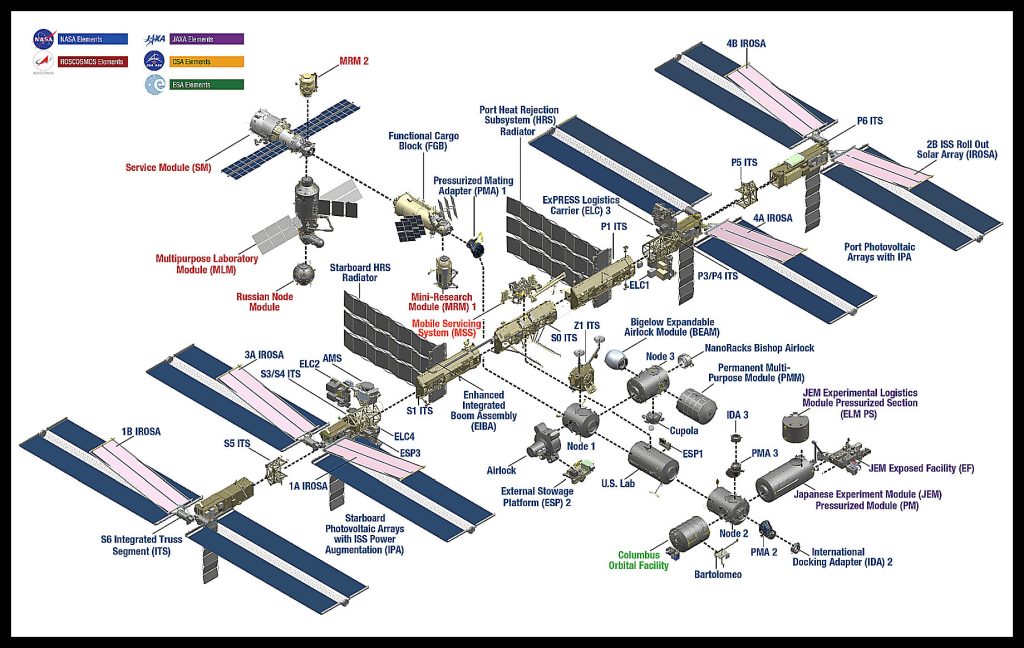
NASA will say goodbye to the International Space Station in 2030 − and welcome in the age of commercial space stations
By John M. Horack
Published October 13, 2025
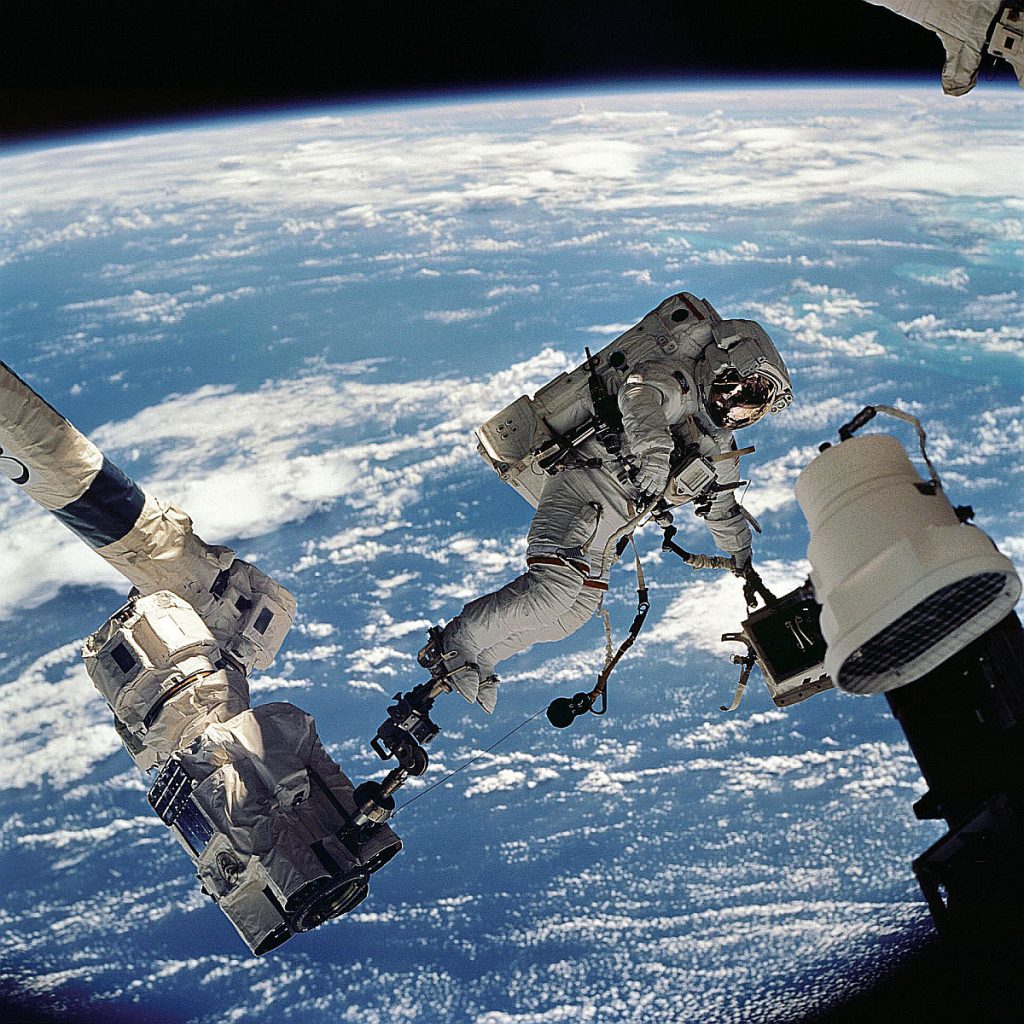
Since the first pieces of the International Space Station were launched in 1998, the station has been home to significant research accomplishments across domains that include materials science, biotechnology, astronomy and astrophysics, Earth science, combustion and more.
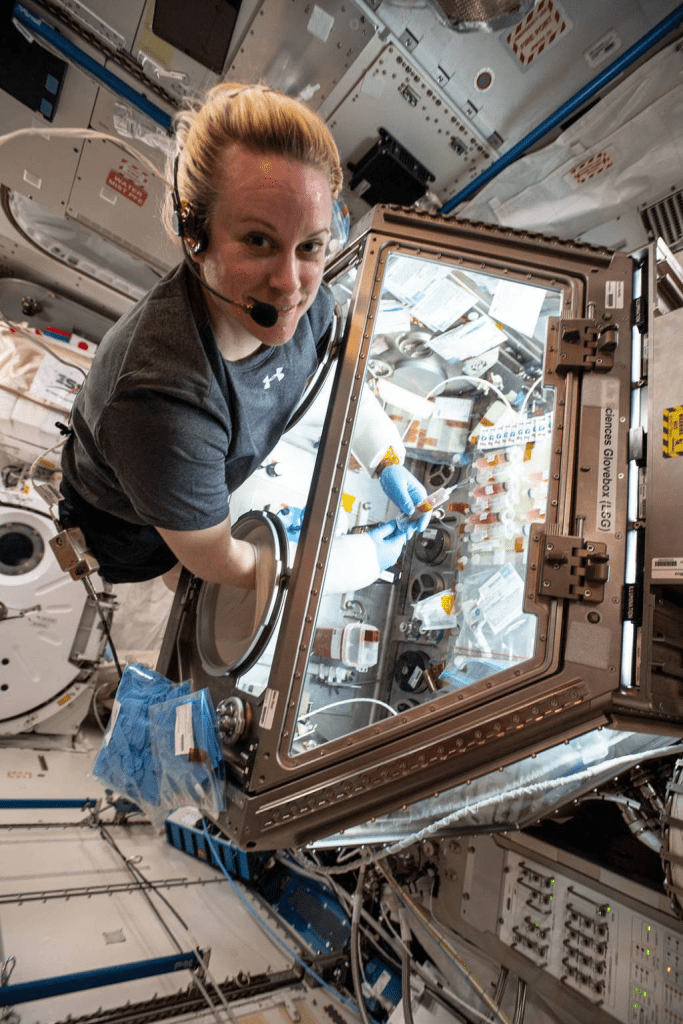
Astronauts performing research inside the space station and payload experiments attached to the station’s exterior have generated many publications in peer-reviewed science journals. Some of them have advanced our understanding of thunderstorms, led to improvements in the crystallization processes of key cancer-fighting drugs, detailed how to grow artificial retinas in space, explored the processing of ultrapure optical fibers and explained how to sequence DNA in orbit.
In total, more than 4,000 experiments have been conducted aboard the ISS, resulting in more than 4,400 research publications dedicated to advancing and improving life on Earth and helping forge a path for future space exploration activities.
The ISS has proven the value of conducting research in the unique environment of spaceflight – which has very low gravity, a vacuum, extreme temperature cycles and radiation – to advance scientists’ understanding of a wide range of important physical, chemical and biological processes.